
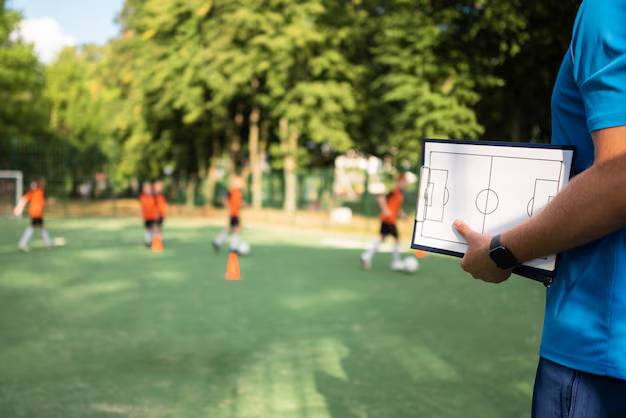
Player development is a crucial aspect of sports, determining the trajectory of an athlete’s career. Whether in football, basketball, soccer, or esports, structured player development programs help athletes enhance their skills, physical capabilities, and mental strength
Fundamentals of Player Development
1.1 Understanding the Basics
Player development encompasses technical, tactical, psychological, and physical aspects. It involves structured training programs, mentorship, and competition exposure to ensure holistic growth.
1.2 Importance of a Growth Mindset
A growth mindset fosters resilience and adaptability. Players who embrace learning from failures tend to improve more rapidly and sustain their careers longer.
1.3 Key Stages of Development
- Foundation Stage (Ages 5-12): Focuses on basic skills, coordination, and enjoyment.
- Development Stage (Ages 13-18): Specialization in sport-specific techniques and tactical understanding.
Skill Acquisition and Mastery
2.1 Technical Skills Training
- Sport-specific drills to improve accuracy, control, and execution.
- Repetition and muscle memory development.
- Video analysis for self-evaluation and correction.
2.2 Tactical Awareness
- Understanding positioning, movement, and strategies.
- Decision-making under pressure.
- Analyzing opponents and adapting in real time.
2.3 The Role of Coaching
- Personalized training programs.
- Tactical insights and real-time feedback.
- Creating a supportive yet challenging environment.
Mental Toughness and Psychological Preparation
3.1 Building Resilience
- Coping with failures and setbacks.
- Developing a positive mindset.
- Using visualization techniques to enhance performance.
3.2 Handling Pressure and Anxiety
- Pre-game routines and rituals.
- Breathing exercises and mindfulness.
- Confidence-building exercises.
3.3 Leadership and Teamwork
- Effective communication with teammates.
- Being a role model on and off the field.
- Adapting to team dynamics and coaching styles.